


1800 Blankenship Road #195
West Linn, OR 97068


Why Peripheral Neuropathy and Foot Pain Flare Up During Damp West Linn Winters
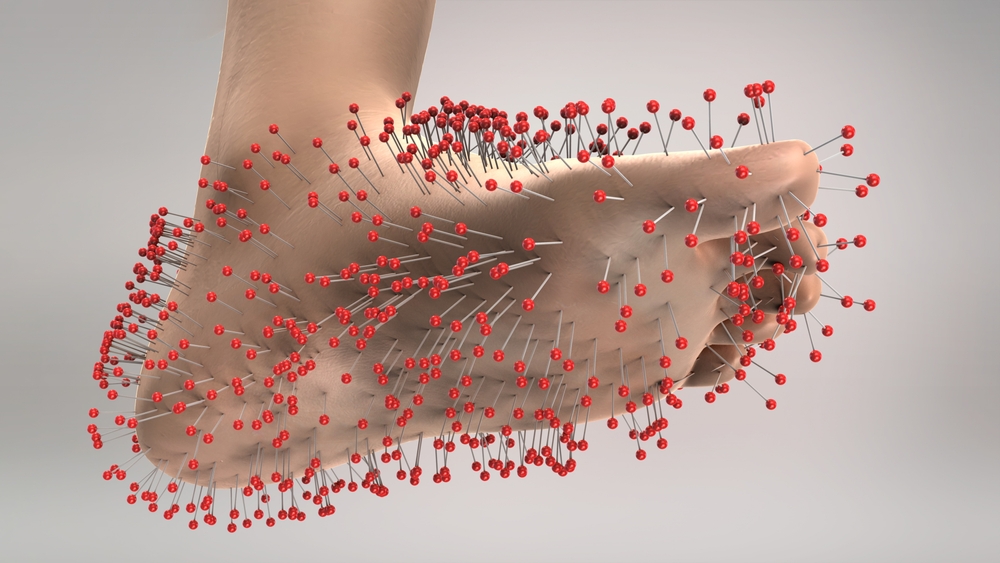
Winter in West Linn brings cooler temperatures, frequent rain, and damp conditions that can make everyday activities uncomfortable for people living with peripheral neuropathy. If you experience burning, tingling, numbness, or sharp foot pain, you may notice your symptoms becoming more bothersome during the colder months.
At Simple Wellness Clinic, we understand how frustrating neuropathy symptoms can be, especially when they interfere with walking, sleeping, and daily activities. Understanding how winter conditions affect your feet can help you manage discomfort and recognize when additional care may be needed.
How Cold, Damp Weather Affects Peripheral Neuropathy
Peripheral neuropathy occurs when nerves outside the brain and spinal cord become damaged or stop functioning properly. This can interfere with how nerves communicate sensations such as temperature, pressure, and pain.
Although cold weather does not directly cause peripheral neuropathy, lower temperatures may aggravate existing symptoms. Cold exposure can cause blood vessels to narrow, temporarily reducing circulation to the hands and feet. Temperature changes may also affect how sensitive damaged nerves feel.
West Linn's damp winters can make staying warm and physically active more challenging. While humidity itself has not been proven to worsen nerve damage, some people report increased discomfort during cold, wet weather.
Why Foot Pain May Become More Noticeable in Winter
Several seasonal factors may contribute to increased foot discomfort during winter, particularly for people already managing neuropathy.
Common contributing factors include:
Cold temperatures: Reduced warmth and temporary changes in circulation may increase discomfort in sensitive feet.
Reduced physical activity: Spending more time indoors can contribute to stiffness and reduced mobility.
Improper footwear: Tight winter boots or poorly fitted shoes may place additional pressure on sensitive areas.
Temperature sensitivity: Damaged nerves may respond differently to cold exposure, causing burning, tingling, or shooting pain.
Underlying health conditions: Diabetes, circulation problems, and other medical conditions may contribute to persistent neuropathy symptoms.
Recognizing these factors can help you make adjustments before winter foot pain begins interfering with your routine.
Managing Neuropathy Symptoms During West Linn Winters
Keeping your feet comfortable throughout winter starts with practical daily habits. Wearing warm, moisture-wicking socks and properly fitted shoes can help protect sensitive feet from cold and pressure.
Gentle indoor exercise, stretching, and regular movement may support circulation and mobility. If you have reduced sensation, inspect your feet daily for redness, blisters, or injuries that might otherwise go unnoticed.
Avoid placing heating pads or hot water bottles directly against numb feet, as reduced sensation increases the risk of burns.
Persistent or worsening symptoms deserve professional evaluation. Sudden weakness, significant color changes, or a new foot wound should receive prompt medical attention.
Personalized Peripheral Neuropathy Care in West Linn, OR
At Simple Wellness Clinic, we focus on helping patients manage chronic pain and peripheral neuropathy through individualized, nonsurgical approaches.
Our clinic offers treatment options such as StemWave therapy and infrared light therapy as part of our broader approach to pain management. We consider each patient's symptoms, health history, and individual needs when discussing appropriate care options. Results vary, and not every treatment is suitable for every cause of neuropathy.
If colder weather is making your foot pain harder to manage, our team is here to help you explore your options.
Schedule a consultation with Simple Wellness Clinic in West Linn, OR, by calling (503) 713-6177. Visit us at 1800 Blankenship Road, Suite 195, to learn more about our personalized approach to peripheral neuropathy and chronic foot pain.
© 2026 Simple Wellness Clinic. All rights Reserved - Accessibility Statement - Privacy Policy - Sitemap
Powered by
